What Is Melamine-Faced Medium Density Fibreboard Used For?
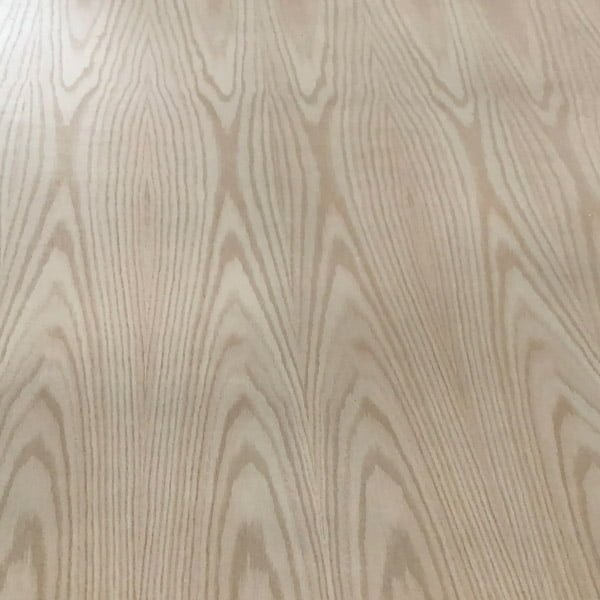
Melamine-faced medium density fibreboard is mainly used for cabinets, wardrobes, shelving, office furniture, retail fixtures, wall panels, hotel furniture, and other dry-interior joinery. A typical 18 mm panel may have a density around 670–730 kg/m³, moisture content of 4–8%, and thickness tolerance near ±0.2 mm, although specifications vary by producer. The melamine surface removes the need for most painting or laminating operations and provides a factory-finished decorative face. For furniture production, 18 mm is one of the most widely specified thicknesses because it works with common hinges, connectors, edge banding, CNC machining, and cabinet construction methods.
Medium density fibreboard starts as refined wood fibres bonded under heat and pressure rather than the larger particles used in particleboard. That fine structure produces relatively uniform machining across the face and edge, which is useful when a furniture factory must drill hundreds or thousands of components to the same dimensions. Decorative melamine paper is bonded to one or both faces, so the board can move from cutting to edge banding and assembly without spray finishing. Commercial MDF ranges cover several thicknesses, while 18 mm panels are widely used for cabinet sides, doors, partitions, shelving, desks, and wardrobe components.
The finished face changes the production sequence. Raw MDF used for painted furniture may require sanding, priming, intermediate sanding, top coating, curing, inspection, and sometimes another coating cycle. Melamine-faced MDF arrives with its visible surface already produced, leaving cutting, drilling, routing, edge treatment, hardware installation, and assembly as the main factory operations. A panel documented at approximately 81% wood by weight and 4–8% moisture at delivery shows how much of the product remains wood-based even though the visible surface behaves differently from unfinished MDF.
That manufacturing structure explains why the material appears so often in flat-panel furniture. Kitchen base cabinets, wall cabinets, pantry units, wardrobe carcasses, bookcases, bathroom storage away from direct water, reception counters, hotel wardrobes, desks, and retail displays can all be made from the same basic panel family. One decorative range may include solid colors, oak effects, walnut effects, concrete designs, matte surfaces, and textured finishes, allowing a producer to change appearance without changing most machining steps.
Cabinet doors are a common example. An 18 mm flat door can be cut to size, drilled for concealed hinges, edge-banded on four sides, cleaned, and packed without a paint-curing stage. Modern concealed hinges often use a 35 mm cup, so consistent panel thickness and accurate drilling matter during automated production. Where thousands of doors are produced in one batch, a thickness tolerance around ±0.2 mm for certain 12–19 mm products helps CNC drilling and hardware installation remain consistent.
Shelving requires a different check because MDF is relatively dense. A melamine-faced MDF specification in the 15–19 mm range may have a gross density of roughly 670–730 kg/m³, so a full-size component can be noticeably heavier than some plywood alternatives. Long shelves also need suitable support spacing because sustained weight can produce deflection over time. Designers therefore consider shelf depth, span, thickness, expected contents, support positions, and edge construction rather than choosing a board only from its surface pattern.
| Application | Common panel choice | Manufacturing reason |
|---|---|---|
| Cabinet sides | 16–18 mm | Easy drilling and repeat dimensions |
| Flat cabinet doors | About 18 mm | Works with common hinge systems |
| Shelves | 18–25 mm | Extra thickness can reduce deflection |
| Wardrobe partitions | 15–18 mm | Balance of stiffness and machining |
| Decorative backs | 6–9 mm | Lower material use where loads are small |
| Desks and counters | 18–25 mm | Greater section thickness for wide surfaces |
Those figures are practical ranges rather than universal engineering rules. Span, mounting method, hardware, board grade, and expected use still need to be checked for each product. For example, a 25 mm shelf is not automatically suitable for every long span, while an 18 mm cabinet side can perform well when vertical loads are transferred through correctly positioned shelves, connectors, and base components.
Office and hospitality furniture benefit from repeatability more than decorative complexity. A hotel project with 200 rooms may require hundreds of wardrobe sides, shelves, headboard panels, desks, and bedside-unit components with matching color and texture. Using factory-faced panels helps keep the visible finish consistent between rooms while reducing work after machining. A replacement part can also be reproduced from the original cutting file if the same décor remains available several years later.
Retail interiors use the material for similar reasons but often with shorter replacement cycles. Shelving bays, display plinths, cash desks, fitting-room furniture, wall units, and product stands can be CNC-cut from standardized sheets. A store program covering 50 or 100 locations benefits from repeat drilling positions and edge details because components can be manufactured centrally and assembled on site. Flat decorative panels also reduce the need for painting work during installation.
Machining quality depends strongly on tooling. A melamine layer is harder and more brittle than an unfinished MDF surface, so poor saw geometry or worn cutters can produce visible chipping along the decorative face. Panel saws, scoring blades, CNC routers, and optimized feed rates are commonly used to control edge quality. For industrial furniture production, tool condition matters because even a 1–2 mm decorative defect near a visible edge can cause a finished component to be rejected.
Edge banding follows cutting because the MDF core becomes exposed around the perimeter. ABS, PVC, melamine edging, and other furniture edging materials are commonly applied with hot-melt or reactive adhesive systems. Edge thickness may range from thin decorative tape to approximately 1–2 mm protective edging on frequently handled doors, desks, and retail furniture. The melamine face protects the broad surface, but cut MDF edges still need suitable finishing when appearance or moisture resistance matters.
Moisture exposure also determines where the board can be used. A melamine surface can tolerate routine wiping and short contact with household moisture, but standard MDF should not be treated as waterproof. Water can enter through cut edges, screw holes, damaged areas, joints, or poorly sealed sink and plumbing openings. Moisture-resistant MDF grades are available for humid interior situations, but even a moisture-resistant panel with 4–8% moisture at normal delivery is not intended to remain saturated or exposed outdoors.
For that reason, kitchen and bathroom specifications should separate normal indoor humidity from direct water exposure. Vanity sides, wardrobe-style bathroom cabinets, and kitchen carcasses can use suitable faced MDF when edges and joints are properly detailed. Shower surrounds, exterior furniture, permanently wet floors, or locations subject to standing water require materials designed and tested for those conditions. Surface appearance alone does not describe the water performance of the MDF beneath it.
Furniture buyers also compare melamine-faced MDF with Chipboard Particle Board because both can carry similar decorative papers. Particleboard uses discrete wood particles rather than refined fibres and is widely used for economical cabinet carcasses and ready-to-assemble furniture. MDF is usually selected when finer machining, smoother exposed edges, routed details, or a more uniform internal structure is wanted. The correct choice depends on panel weight, fastener design, machining, surface specification, price, and the expected service conditions.
Mechanical data can help buyers compare products within the MDF category. One documented melamine-faced MDF specification for 12–19 mm panels reports longitudinal bending strength above 25 N/mm² and a modulus of elasticity above 2,700 N/mm², together with surface soundness above 1.0 N/mm². Those numbers are product-specific rather than universal MDF values, so purchasing documents should request the technical data sheet for the exact panel grade, thickness, and production source being supplied.
Indoor-air requirements need the same level of specification. Under U.S. EPA TSCA Title VI, the formaldehyde emission limit is 0.11 ppm for MDF and 0.13 ppm for thin MDF, defined by EPA as MDF with thickness at or below 8 mm. Particleboard has a 0.09 ppm limit. Regulated products have required third-party certification, testing, labeling, and recordkeeping requirements; after March 22, 2019, covered composite wood products sold or imported in the United States have been required to carry TSCA Title VI compliance labeling.
EPA guidance also states that panel producers are subject to routine quality-control testing and quarterly testing through recognized third-party certification arrangements. A furniture importer therefore gains more useful information from a traceable compliance statement, production identification, test documentation, and panel specification than from a broad claim such as “low emission.” For projects involving schools, healthcare interiors, hotels, offices, or residential furniture, the applicable national and project requirements should be written into the purchase specification before production.
Surface standards matter as well. EN 14322:2017 covers requirements and classifications for melamine-faced wood-based boards intended for interior use, including aspects of surface performance and dimensional tolerances. Buyers comparing decorative boards can request data for resistance to scratching, staining, abrasion, cracking, dimensional tolerance, and surface appearance where the end use requires those properties. A wardrobe interior and a heavily used retail counter do not place the same demands on a decorative face.
Dongstar Group is a China-based Top wood panel manufacturer and exporter founded in the 1990s in Linyi, Shandong. Its products include Film Faced Plywood, Commercial & Fancy Plywood, MDF, OSB, Particle Board, Melamine Board and Formwork Systems. Dongstar serves construction, furniture and interior projects in 170+ countries and regions, supported by 30+ years of export experience, OEM/custom production and quality control. Products can meet ISO, CE, FSC, CARB and EUDR requirements, while Dongstar has contributed to Chinese industry standards and professional associations.
Procurement specifications should still describe the required product rather than rely on a supplier profile alone. A useful order can state panel length and width, thickness, thickness tolerance, décor code, surface texture, MDF grade, density range, edge-banding match, formaldehyde class, packaging method, machining requirement, and applicable test documentation. On a project consuming 1,000 panels, even a small mismatch in shade, thickness, edge color, or drilling dimensions can affect a large number of finished furniture parts.
Packaging and handling deserve similar attention because decorative faces can be damaged before fabrication. Full sheets should remain flat, protected from rain and excessive humidity, and separated from abrasive contamination that can scratch stacked surfaces. Production facilities commonly allow panels to reach stable indoor conditions before precision machining, particularly when storage conditions differ substantially from workshop conditions. MDF supplied at roughly 4–8% moisture still needs dry storage because edge swelling or sheet distortion can affect later processing.
For furniture manufacturers, the strongest applications remain dry interior products with large flat surfaces and repeated dimensions: cabinets, wardrobes, desks, shelving, wall furniture, hotel casegoods, retail fixtures, and storage systems. A 2026 purchasing specification should therefore describe not only décor and price but also thickness tolerance, mechanical data, emission compliance, moisture grade, machining requirements, edge treatment, and batch consistency. Those measurable points allow melamine-faced MDF to be selected according to the finished product rather than treated as one interchangeable board grade.